
The Numbers Don't Lie: Home Staging Statistics Every Seller Should Know
 The Numbers Don't Lie: Home Staging Statistics Every Seller Should Know
If you're preparing to sell your home, you've probably heard that staging can help attract buyers and improve your final sale price. But beyond the beautiful listing photos and polished spaces, many sellers find themselves asking the same question: does home staging actually work?
The short answer is yes, and the data backs it up.
While staging is often viewed as an aesthetic upgrade, it is really a marketing strategy. The goal is to help buyers connect with a property quickly, visualize themselves living there, and feel confident enough to make an offer.
In today's market, where buyers often form their first impression online, that advantage can make a meaningful difference. Let's take a closer look at what the latest home staging statistics show.
Most Buyers Need Help Visualizing a Home
One of the biggest challenges buyers face is imagining how an empty or highly personalized space could work for them.
According to the National Association of Realtors' 2025 Profile of Home Staging, 83% of buyers' agents said staging a home made it easier for buyers to visualize the property as their future home.
That number matters because buying a home is not purely a financial decision. It's emotional.
When buyers can picture themselves unwinding in the living room after a long day, gathering friends around the dining table, or waking up in the primary bedroom, they start to see the home as their own. Once that emotional connection is made, they're more motivated to take the next step.
Staging Helps Homes Sell Faster
For most sellers, time on market is just as important as sale price.
The longer a property sits unsold, the more likely buyers are to wonder if something is wrong with it. Extended market time can lead to price reductions, weaker negotiating power, and missed opportunities.
According to the same National Association of Realtors report, 49% of sellers' agents said home staging reduced the amount of time a home spent on the market.
That makes sense when you consider how buyers shop today. Most people start their search online and scroll through dozens of listings in a matter of minutes. Homes that feel inviting, functional, and move-in ready are far more likely to stand out.
More attention means more buyers scheduling showings, and that increased interest can create the kind of momentum that leads to faster offers and a quicker sale.
Home Staging Can Increase Sale Price
One of the most common reasons sellers invest in professional home staging is the potential return. While staging doesn't change the square footage or location of a property, it can significantly improve how buyers perceive its value.
The National Association of Realtors found that 29% of real estate agents reported a 1% to 10% increase in the dollar value offered when homes were staged. Even on a modestly priced home, that can represent a meaningful return on investment.
A staged home tends to feel more complete, better maintained, and easier to move into. Buyers are often willing to pay a premium for a property that feels finished rather than one that requires imagination and effort to understand.
The Living Room Has the Biggest Impact
Not every room carries the same weight when buyers walk through a home. According to the National Association of Realtors' 2025 Profile of Home Staging, the living room was ranked as the most important room to stage by 37% of buyers' agents. The primary bedroom followed at 34%, while the kitchen came in at 23%. Together, these spaces play a major role in shaping a buyer's first impression of the home.
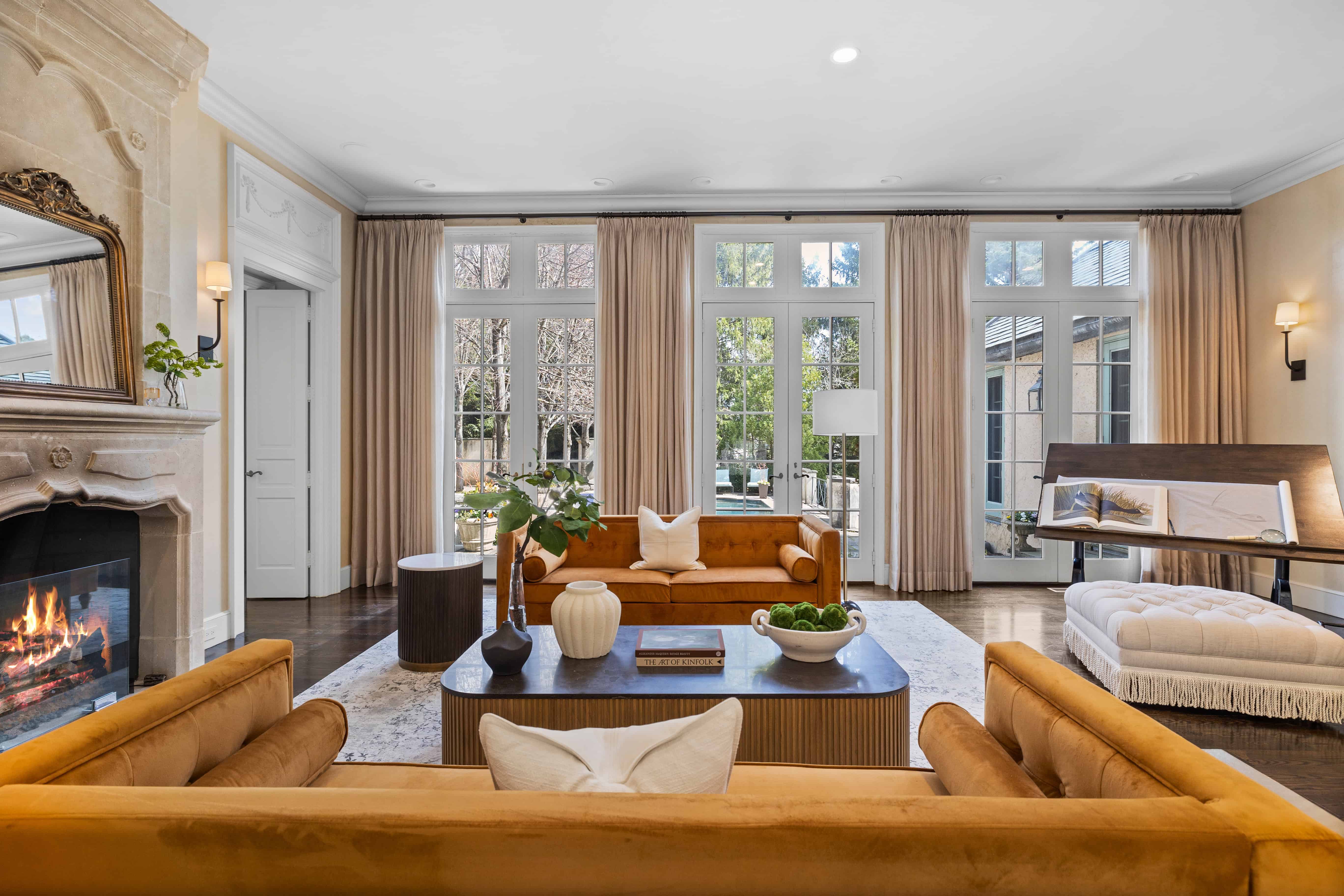
There's a reason the living room tops the list. It's often one of the first spaces buyers see in listing photos, making it one of the most valuable areas to focus on. When that space feels warm, inviting, and easy to imagine living in, it can set a positive tone for the rest of the showing. That's exactly what effective home staging is designed to do: create a connection from the moment buyers walk through the door.
Online First Impressions Matter More Than Ever
Before buyers schedule a showing, they are evaluating your home through a screen. Professional photography and home staging work hand in hand to create stronger first impressions online.
According to the National Association of Realtors, 31% of buyers' agents said buyers were more willing to walk through a home they first saw online when it was staged.
That statistic highlights something many sellers overlook. Staging is not just about what happens during an open house. It influences whether buyers decide to visit in the first place.
In many cases, the sale starts long before anyone walks through the front door.
What the Statistics Say About Home Staging
The best home staging doesn’t distract buyers. It guides them. It helps them understand how a space functions, highlights a home’s strongest features, and creates a stronger overall impression that often leads to faster decisions and more competitive offers.
Looking at the statistics, the impact is clear. Buyers’ agents consistently report that staged homes are easier to envision, tend to spend less time on the market, and can achieve higher perceived value.
Across the board, the data points in the same direction. Staging improves how buyers respond to a listing at nearly every stage of the process, from online views to final offers.
For sellers, that makes staging less about decoration and more about results.